Disclosure: As an Amazon Associate, TopPickSavings earns from qualifying purchases at no additional cost to you.
Choosing the best running shoes for women starts with fit, not popularity. A shoe can have impressive cushioning, a lightweight design, and thousands of positive reviews, yet still feel wrong if the heel slips, the toe box feels narrow, or the platform does not match your stride.
This guide explains how to compare women’s running shoes by fit, cushioning, stability, breathability, traction, durability, and intended use. The Amazon bestseller list below is included as a discovery tool. It can help you identify popular current options, but it should not replace checking measurements, specifications, recent reviews, seller information, and return terms.
Quick recommendation
For most runners, a versatile daily trainer is the most practical place to start. Look for secure heel hold, enough toe room for natural movement, balanced cushioning, and an outsole suited to the surfaces you use most often. Beginners should usually avoid choosing the most extreme racing, minimalist, or highly specialized design as their only pair.
Current Amazon best sellers
The products below are generated automatically from Amazon’s current bestseller data for the search term running shoes for women. Rankings, prices, availability, and product details may change.
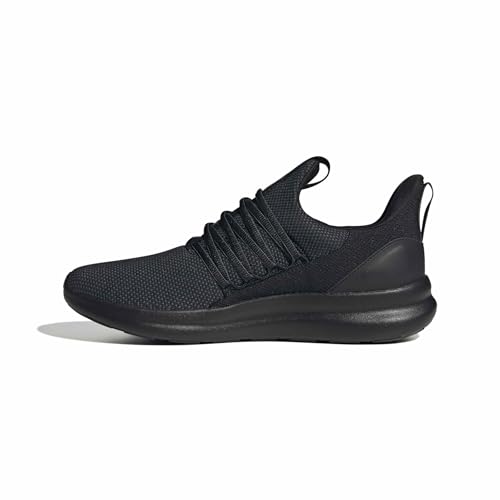
- Enjoy the journey in shoes featuring a soft Cloudfoam+ midsole for springy support.
- Regular fit
- Laces
- Textile upper
- Ortholite sockliner


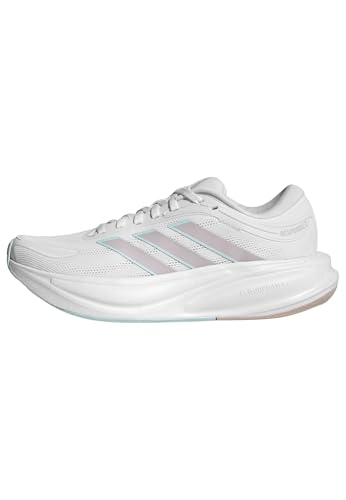
- The fresh foam midsole cushions every step with responsive comfort.
- Mesh running sneakers keep feet dry with superior airflow during intense sessions.
- No-sew construction reduces weight and improves durability for long-lasting wear.
- Engineered athletic trainers women designed for both performance and everyday versatility.
- A reliable lace-up closure ensures your shoe stays secure mile after mile.
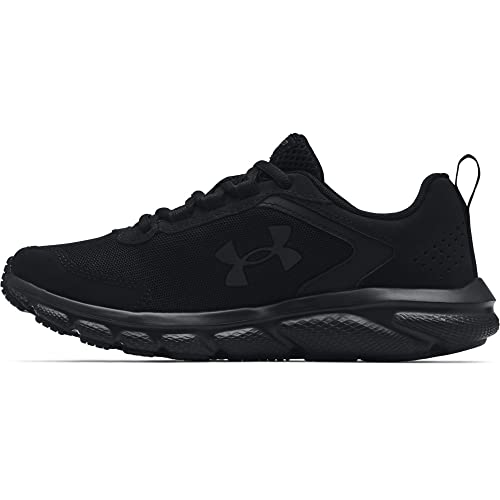
- BREATHABLE UPPER: Lightweight mesh boosts airflow to keep feet cooler and more comfortable during runs, workouts, and warm-weather activities
- SOFT CUSHIONED RIDE: Charged midsole delivers balanced impact protection for smoother steps and more enjoyable daily miles, especially for newer runners
- MIDFOOT SUPPORT: Reinforced overlays improve stability and help your foot stay centered for confident strides during light training or longer walks
- PLUSH STEP-IN FEEL: Foam padding around the ankle and a molded liner provide soft cushioning and an easy, comfortable fit with no break-in needed
- LIGHTWEIGHT GRIP: Rubber outsole with a flexible tread pattern increases traction and natural flexibility for steady movement on pavement or treadmills
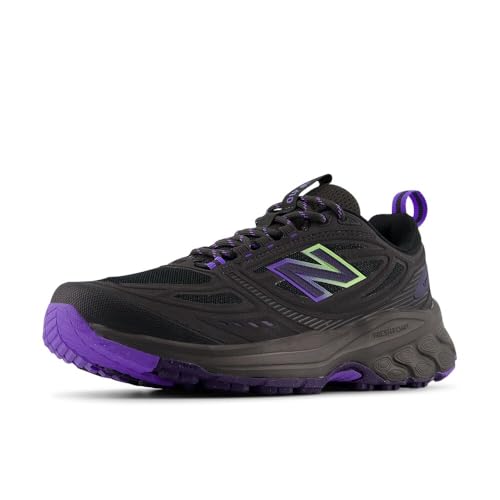
- FRESH FOAM CUSHIONING - Precision-engineered Fresh Foam midsole delivers ultra-cushioned, lightweight comfort for confident strides on rugged trails and paved paths alike
- AT TREAD OUTSOLE - Versatile all-terrain tread outsole provides reliable traction during both on-road and off-road activities for a seamless trail-to-street transition
- NO-SEW OVERLAY DESIGN - Sleek no-sew overlays reduce irritation and provide a clean, modern look while maintaining structural support through every mile
- DURABLE TRAIL CONSTRUCTION - Built to keep up with you on and off the trail, combining comfort, lasting durability, and dependable traction in one versatile package
- BREATHABLE MESH UPPER - Lightweight mesh upper promotes airflow to keep feet cool and comfortable during long trail runs, hikes, and everyday outdoor activities
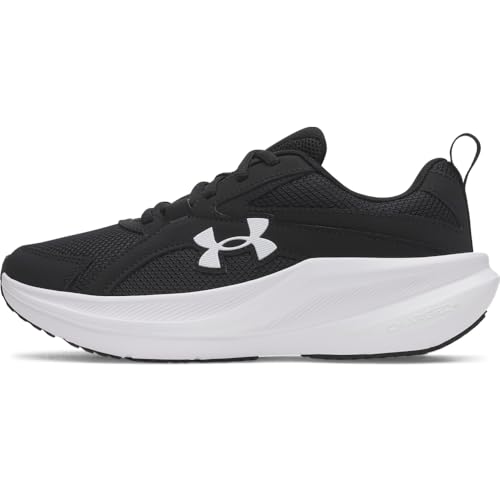
- Athletic mesh upper with durable leather overlays for added dimension & midfoot support
- Charged+ midsole cushioning provides unmatched softness & all-day comfort
- Durable rubber outsole provides traction & durability with strategically-placed flex grooves for proper toe-off, Upper contains at least 30% recycled content
- Weight: 7.7 oz , Lace type: Standard tie, NEUTRAL: For runners who need a balance of flexibility & cushioning
How to compare running shoes for women
A useful comparison should focus on features that affect real-world comfort and performance. Instead of treating one shoe as the universal winner, consider how each option fits your foot shape, training routine, running surface, climate, and budget.
Fit and toe room
Your heel and midfoot should feel secure without excessive pressure. At the front, the toes need enough room to spread naturally. Feet can swell during longer runs, so a shoe that feels tight during a short indoor try-on may become uncomfortable later.
Women’s shoe sizing is not fully standardized across brands. Use the current size chart when available, measure both feet, and choose based on the larger foot. Width options are especially important for runners who regularly experience pressure at the forefoot or rubbing along the side of the shoe.
Cushioning and ride
More cushioning is not automatically better. Soft foam can feel comfortable immediately, while a firmer or more responsive platform may feel steadier and hold its shape longer. The best choice depends on how much ground feel, protection, and stability you prefer.
Daily trainers generally aim for a balance between comfort, durability, and versatility. Race-focused shoes may feel faster and lighter, but they can cost more and may not be the most practical option for everyday mileage.
Support and stability
Support comes from the complete design of the shoe. A broad base, secure heel counter, sidewalls, upper structure, and the shape of the midsole all influence stability. A shoe should guide the foot naturally without feeling as though it forces your stride.
Runners who prefer more support should compare stability-oriented designs, but labels alone are not enough. The shoe still needs to feel comfortable and controlled during walking, easy jogging, and normal changes of direction.
Weight and flexibility
Lightweight shoes can feel quick and less tiring, but reducing material may also reduce structure, outsole coverage, or durability. For regular training, a balanced shoe is often more useful than the lowest possible weight.
Flexibility should also match the intended use. The forefoot needs to bend naturally, while the rest of the shoe should not twist or collapse excessively.
Upper materials and breathability
Engineered mesh and knit uppers can improve airflow, but they provide different levels of stretch and support. A very flexible upper may feel comfortable while walking but less secure during faster movement.
For warm weather, breathability can improve comfort. For cooler or wetter conditions, a more protective upper may be useful, although water-resistant designs can feel warmer and may dry more slowly.
Outsole grip and running surface
Road running shoes are generally designed for pavement and smoother surfaces. Trail shoes use deeper lugs and additional protection for dirt, gravel, mud, and uneven ground. Treadmill runners may prefer a smoother, lighter outsole with good flexibility.
Choose traction for the surface you actually use. An aggressive trail outsole may feel awkward on pavement, while a smooth road outsole may not provide enough control on loose terrain.
Durability and value
Look at outsole rubber coverage, upper reinforcement, stitching, and how the midsole is likely to handle repeated use. A lower-priced shoe is not good value if the fit is poor or the materials deteriorate quickly.
Recent customer reviews can provide useful context when they describe sizing, distance used, running surface, and a specific durability issue. First-impression reviews are less helpful for judging long-term performance.
Types of women’s running shoes
Daily trainers
Daily trainers are designed for regular running and usually balance cushioning, stability, and durability. They are often the best starting point for beginners or runners who want one versatile pair.
Cushioned running shoes
Cushioned shoes place more material underfoot to reduce harsh impact. They can be useful for easy runs and longer sessions, but the platform should remain stable and comfortable for your stride.
Stability running shoes
Stability shoes add design features intended to improve control. They may suit runners who prefer a broader base or additional guidance, but the fit should still feel natural.
Trail running shoes
Trail shoes add grip, protection, and control for uneven terrain. Match lug depth, rock protection, and upper durability to the trails you actually run.
Lightweight and race-day shoes
These shoes reduce weight and may use responsive foam or a more aggressive geometry. They can feel efficient at faster paces, but they may be less durable or less forgiving as an everyday shoe.
Fit and sizing checklist
- Measure both feet late in the day and use the larger measurement.
- Wear the same sock thickness you plan to use for running.
- Check that the heel stays secure without overtightening the laces.
- Leave enough space for natural toe movement and mild swelling.
- Walk and jog indoors to check pressure points and stability.
- Review the current return policy before wearing the shoes outside.
Common buying mistakes
- Choosing the shoe mainly because of its appearance or bestseller ranking.
- Assuming the same size fits across every brand.
- Buying the softest shoe without checking stability.
- Ignoring width, toe-box shape, or heel security.
- Using a road shoe on technical trails.
- Keeping a worn pair after grip, cushioning, or support has clearly declined.
Care and maintenance
Remove loose dirt after running and air-dry the shoes away from direct heat. Avoid machine drying because high heat can weaken adhesives and deform foam. When shoes become wet, remove the insoles and allow all parts to dry fully before the next run.
Rotating between two pairs can improve drying time and help each pair recover between sessions. Replace a shoe when traction, cushioning, or upper support has noticeably deteriorated, rather than relying only on appearance.
Frequently asked questions
Should women’s running shoes feel tight?
No. They should feel secure through the heel and midfoot without pressure, while the toes have room to move.
Should I size up in running shoes?
Do not size up automatically. Measure your feet, use the current brand chart, and consider the sock thickness and swelling that may occur during longer runs.
Can running shoes be used for walking?
Many running shoes also work well for walking. However, very specialized racing or trail designs may feel less natural for everyday walking.
Are expensive running shoes always better?
No. Price may reflect materials, technology, or branding, but fit and suitability for your training matter more than price alone.
How many pairs should I compare?
A shortlist of three to five options that match your size, width, terrain, cushioning preference, and budget is usually enough for a useful comparison.
Does Amazon bestseller status mean a shoe is the best choice?
No. Bestseller status reflects current popularity. Use it for product discovery, then compare fit, specifications, recent reviews, seller details, and return terms.
Final buying checklist
- Does the shoe match your main running surface and training routine?
- Is the heel secure and the toe box roomy enough?
- Does the cushioning feel stable rather than excessively soft?
- Are width and size options clearly documented?
- Do the upper and outsole suit your climate and terrain?
- Are the care requirements realistic for your routine?
- Have you checked recent reviews, seller information, availability, and return terms?
Final thoughts
The best running shoes for women are the shoes that fit your feet, support your training, and remain comfortable over repeated use. Start with fit and intended surface, then compare cushioning, stability, materials, traction, durability, and price. The Amazon bestseller list can make discovery faster, while the checklist above helps you narrow the list to options that better match your needs.