
We compared leading Sneakers for Men using a structured product-data model and ranked the strongest matches from our current candidate pool.
Updated 8 月 14, 2026. Product order may change as catalog data changes.
Our Top 3

Adidas Men's Lite Racer Adapt 7.0
Recommended Pick
Brand: Adidas
- Men's stylish, slip-on sneakers
- Adjustable laces provide a secure fit
- Soft textile upper is stretchy and comfortable

Nike Men's Air Max Excee Shoes
Recommended Pick
Brand: Nike
- The Air-Sole unit is visible through 3 windows for an updated look.
- The foam midsole and outsole provide comfort without weighing you down.
- Elongated design lines honor the Air Max 90 while modernizing it in a provocative way.

YRLTYO Mens Tennis Shoes Running Sneaker Slip On Walking
Recommended Pick
Brand: YRLTYO
- 【Lightweight】: mens gym shoes by using lightweight design concepts and good materials, the overall weight of the shoes is greatly reduced. Wheth…
- 【Shock absorption】: mens sports shoes is made of materials with good resilience, which effectively improves the cushioning performance of the sh…

Under Armour Men's Charged Assert 10
Recommended Pick
Brand: Under
- Lightweight, breathable mesh upper with synthetic overlays for added durability & support
- EVA sockliner provides soft, step-in comfort
- Charged Cushioning midsole uses compression molded foam for ultimate responsiveness & durability

New Balance Men's 515 V3 Sneaker Grey/White
Recommended Pick
Brand: New
- ENCAP midsole cushioning combines soft foam with a durable polyurethane rim in these mens 574 sneakers for all-day support and comfort.
- The suede and mesh upper on these new balance 574 men delivers the iconic look that has made the 574 a wardrobe staple for decades.
- Vamp, collar, and tongue mesh are made from 100% recycled polyester, making these classic sneakers men a more responsible choice without sacrifi…
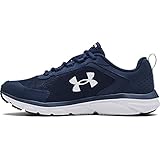
Under Armour Men's Charged Assert 9DISC
Recommended Pick
Brand: Under
- Lightweight mesh upper with 3-color digital print delivers complete breathability
- Durable leather overlays for stability & that locks in your midfoot
- EVA sockliner provides soft, step-in comfort

Under Armour Men's Charged Assert 10 Shoes
Recommended Pick
Brand: Under
- Lightweight, breathable mesh upper with synthetic overlays for added durability & support
- EVA sockliner provides soft, step-in comfort
- Charged Cushioning midsole uses compression molded foam for ultimate responsiveness & durability
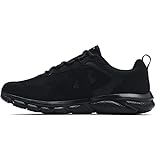
Under Armour Mens Charged Assert 9DISC Running Shoe
Recommended Pick
Brand: Under
- Lightweight mesh upper with 3-color digital print delivers complete breathability
- Durable leather overlays for stability & that locks in your midfoot
- EVA sockliner provides soft, step-in comfort

Under Armour Unisex Lockdown 7
Recommended Pick
Brand: Under
- Breathable mesh upper with leather & film overlays for added support & durability
- EVA midsole delivers a lightweight & responsive ride
- Durable, solid rubber outsole with herringbone traction pattern for ultimate on-court movement & control
The best sneakers for men are not simply the largest, lightest, warmest, or most decorative options. A dependable choice brings together fit, upper materials, cushioning, outsole grip, weight, support, and everyday versatility for the intended routine.
The sections below turn the category into a practical checklist. They help separate useful specifications from promotional language and reduce the chance of selecting an option that looks suitable but performs poorly in daily use.
Product Picks to Compare
Use these product picks as a starting point for comparison. The most suitable option depends on how the dimensions, materials, comfort, and maintenance fit your routine.
Quick Decision Framework
| Priority | What to verify | Warning sign |
|---|---|---|
| Fit and usability | Length and width; Upper material | Missing measurements or vague universal-fit wording |
| Construction | Cushioning; Outsole | Decorative claims without close-up details |
| Ownership | Closure; Style versatility; care requirements | Repeated early failure at the same stress point |
What Matters Most Before You Buy
Focus on the details that change how the product performs in normal use. Measurements, materials, construction, comfort, organization, weather suitability, and maintenance matter more than decorative extras or broad claims.
The page is intentionally focused on a specific use case. Compare the specification that defines that use case with normal fit, comfort, care, and durability rather than assuming the modifier alone guarantees a better product.
Length and width
Choose enough toe space without excessive heel movement.
This factor should be judged against the expected frequency of use. A feature that is valuable every day may add unnecessary cost, weight, or care for occasional ownership.
Upper material
Mesh, leather, canvas, knit, and synthetic uppers differ in structure and care.
The practical effect matters more than the label. Consider how this detail changes comfort, access, durability, maintenance, or safety during the intended task.
Cushioning
Midsole density and insole shape affect long walking comfort.
This factor should be judged against the expected frequency of use. A feature that is valuable every day may add unnecessary cost, weight, or care for occasional ownership.
Outsole
Rubber coverage and tread influence durability and wet grip.
This factor should be judged against the expected frequency of use. A feature that is valuable every day may add unnecessary cost, weight, or care for occasional ownership.
Weight
Light shoes reduce fatigue, while heavier construction may add support.
Look for a measurement, construction image, or clearly stated material. Broad wording without a specific detail makes meaningful comparison difficult.
Closure
Laces, elastic panels, and slip-on designs provide different adjustment.
Recent owner feedback is useful when the same issue appears repeatedly for the exact size, material, or variation. One isolated comment should not outweigh consistent specifications.
Style versatility
Color, profile, and material determine how easily the pair works across outfits.
Recent owner feedback is useful when the same issue appears repeatedly for the exact size, material, or variation. One isolated comment should not outweigh consistent specifications.
Choose According to the Use Case
Everyday errands
Comfort and easy styling matter.
Walking
Cushioning, stable fit, and outsole durability become important.
Travel
Low weight, comfort, and easy care support long days.
Casual office wear
Clean materials and restrained colors create versatility.
Fit, Dimensions, and Real-World Handling
The foot should remain stable through the heel and midfoot with room for toe movement. Compare width options rather than increasing length unnecessarily.
Before ordering, compare the listing with an item that already works well. Note exterior and usable measurements, weight, adjustment range, and fixed components. Model photographs can distort scale, especially when body proportions or camera distance are unknown.
Materials, Care, and Service Life
Brush dry dirt, hand-clean according to the upper material, remove insoles to air, and avoid high dryer heat.
Service life depends on use frequency, load, weather, cleaning, storage, and the quality of high-stress components. Inspect attachment points and moving parts periodically so a small problem can be addressed before it becomes structural damage.
Budget and Value
A low initial price does not always create low ownership cost. Replacement frequency, cleaning requirements, accessories, repair options, and return shipping can change the real value.
Pay for the functions that solve the main task. Decorative extras and complicated mechanisms add little when they increase weight, maintenance, or failure points without improving daily use.
Listing Details to Verify
Review close-up images of stress points, closures, seams, edges, soles, wheels, settings, or hardware as applicable. These areas reveal more about construction than distant lifestyle photographs.
Review close-up images of stress points, closures, seams, edges, soles, wheels, settings, or hardware as applicable. These areas reveal more about construction than distant lifestyle photographs.
Common Buying Mistakes
- Buying by appearance without checking walking comfort.
- Sizing up instead of selecting width.
- Using fashion soles on slippery surfaces.
- Machine-washing materials that require gentle care.
- Ignoring heel movement.
Frequently Asked Questions
How should sneakers fit?
Secure at the heel and midfoot with comfortable toe room.
Are leather sneakers comfortable?
They can be, but break-in, lining, and cushioning vary.
What sneakers suit travel?
Lightweight, supportive, versatile, and easy-clean designs are practical.
Can insoles be replaced?
Many removable-insoles designs allow replacement, subject to internal space.
How can white sneakers stay clean?
Treat stains early and follow material-specific cleaning.
When should sneakers be replaced?
Replace them when outsole grip, cushioning, or upper structure no longer performs.
Related Buying Guides
How to Compare Similar Listings
Compare footwear only after separating length, width, volume, and intended surface. Two pairs with the same size number may use different toe shapes, heel counters, shaft measurements, and internal volume. Check removable insole length when available, read width-specific feedback, and confirm that the outsole and upper are designed for the terrain, weather, or work environment.
Look beyond first-step softness. Platform stability, heel hold, flex location, outsole coverage, seam placement, and upper pressure affect comfort after longer wear. Repeated reports of heel slip, toe pressure, sole separation, rapid tread loss, or water entry deserve more attention than broad comments about style. Use the intended socks and normal end-of-day foot volume when judging fit.
Who May Need a Different Option
People managing persistent pain, significant asymmetry, a diagnosed foot condition, or workplace protection requirements may need professional fitting or certified footwear rather than a general online recommendation. A different width, last shape, orthotic-ready interior, or safety standard can matter more than cushioning style or appearance.
Returns, Replacement, and Long-Term Use
Return footwear when toe pressure, heel movement, shaft restriction, or unstable contact remains after correct lacing and normal indoor fitting. Replace a pair when tread, cushioning, support, closures, waterproofing, or structural bonds no longer perform dependably. Do not continue using safety footwear after protective components are exposed or damaged.
Final Checklist
- The page focus matches the intended purchase: sneakers for men.
- Measurements and adjustment ranges have been checked.
- Materials and construction suit the expected frequency and conditions.
- Comfort and handling have been considered after loading or extended wear.
- Recent feedback refers to the selected variation.
- Return terms, warranty, and included pieces have been verified.
One-Minute Purchase Check
Before completing the order, reopen the selected variation and confirm the size, color, material, quantity, seller, delivery date, and return window. Compare the written measurements with an item you already own, then review the most recent feedback for that exact option. Check whether accessories, batteries, cases, straps, liners, inserts, tools, or replacement parts shown in photographs are actually included. This final check takes little time and catches many avoidable problems involving the wrong variation, incomplete packaging, unsuitable dimensions, or misunderstood care requirements.
Final Thoughts
Start with the intended use, then eliminate options that fail the measurement, fit, material, or care requirements. The remaining choices can be compared on comfort, durability, and value.
A Practical Decision Framework
The strongest Sneakers For Men choice is the one that meets your non-negotiable requirements without making you pay for features you will rarely use. Use the steps below after reviewing the compared products. They create a consistent comparison and prevent a familiar brand, a temporary discount, or one impressive specification from dominating the entire decision.
Define the job before comparing products
Write down where the product will be used, who will use it, how often it will be used, and what a successful purchase must accomplish. Convert that description into three must-have requirements and two preferences. A must-have should be measurable whenever possible, such as a size limit, compatibility requirement, material, capacity, fit, or essential function. Preferences can include color, secondary features, or convenience extras. Reject a candidate that misses a true must-have even when its overall score is attractive.
Compare the same evidence for every finalist
Product pages do not always present information in the same order, so compare finalists with one side-by-side checklist. Record the exact model or variation, dimensions, included accessories, core materials, stated performance, care needs, warranty information, and return conditions. Mark a detail as unverified when it is missing instead of assuming it matches another version. A consistent checklist makes trade-offs visible and reduces the chance of choosing a product because its listing is more persuasive rather than because the product is a better fit.
Check fit, compatibility, and everyday friction
Many disappointing purchases perform their main function but create small problems every day. Confirm physical fit, device or system compatibility, installation needs, storage space, cleaning requirements, controls, charging or power needs, and whether replacement parts are easy to obtain. Consider the least experienced person who may use the product. A simpler option can be the better choice when it is easier to set up, maintain, carry, adjust, or use reliably in the intended environment.
Judge value across the ownership period
Purchase price is only one part of value. Include required accessories, consumables, maintenance, replacement components, and the likely cost of replacing an unsuitable product. A premium feature is worthwhile when it solves a frequent problem, saves meaningful time, or improves safety, comfort, or durability. It is poor value when it duplicates something you already own or addresses a situation that will rarely occur. Compare the best-fit option with the lowest acceptable option and identify exactly what the additional spending buys.
Verify the live offer before ordering
Amazon listings, variations, sellers, prices, coupons, delivery estimates, and included items can change after a guide is updated. Open the exact product link and verify that the selected size, color, configuration, or pack count matches the version discussed here. Review the current seller, fulfillment method, return window, warranty terms, and delivery date. Save the order details when a specification or included accessory is essential, especially when several variations share one product page.