Disclosure: As an Amazon Associate I earn from qualifying purchases.
Shopping for running shoes online can feel deceptively simple. Listings often emphasize appearance or one headline feature, while the details that determine fit, comfort and long-term value are buried in size charts, material notes and customer feedback.
This guide explains how to compare trail running shoes for trail runners. It does not treat popularity as proof of quality. Instead, it uses the Amazon bestseller list as a discovery tool and pairs it with a practical framework for evaluating fit, construction, use case, care and value.
Quick answer
Start with fit and intended terrain. For most runners, a comfortable daily trainer with secure heel hold, enough toe room and predictable cushioning is a safer starting point than an extreme racing or minimalist design.
Current Amazon best sellers
The products below are generated automatically from Amazon’s current bestseller data for the search term trail running shoes. Rankings, prices and availability can change. Treat this list as a starting point, then confirm the product details, current reviews, seller information and return terms on Amazon.

- MEN'S ULTRA TRAIL SHOE: Go the ultimate distance with the Caldera 8, featuring DNA Loft v3 high-stacked softness that acts like a bike tire over rough, rugged terrain while the raised sidewalls offer security and stabilization. Ideal for distance trail runners looking for protective comfort. The Caldera 8 is a certified Carbon Neutral product. Predecessor: Caldera 7.
- BREATHABLE PERFORMANCE UPPER: The elevated adaptable upper features durable materials that resist scratching and snagging on the trails, as well as air mesh with breathable TPEE in the top layer to provide excellent ventilation and moisture management.
- ENDURING COMFORT: Super-soft nitrogen-infused DNA LOFT v3 cushioning is super plush and stacked high to protect you from rough mountainous terrain, rocks, and roots for a comfortable long-distance ride.
- SMOOTH, ADAPTABLE RIDE: The raised sidewalls offer added security and flexibility where you need it, while the widened base and added flex grooves in the outsole work to stabilize your landings over rough terrain.
- CARBON NEUTRAL CERTIFIED: To achieve Carbon Neutral product certification for this style, we increase use of recycled materials to lower carbon emissions, then support carbon offset projects to neutralize the emissions we can’t yet eliminate.
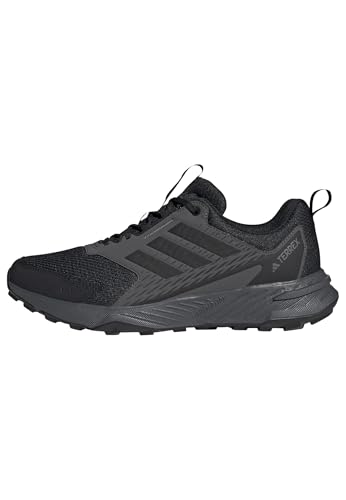
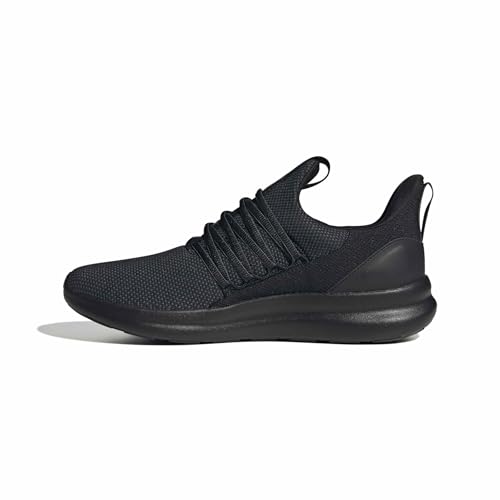
- Men's versatile trail running shoes for comfort and durability
- WEIGHT: 12.2 ounces (size 9); MIDSOLE DROP: 10 mm (heel 30 mm / forefoot 20 mm)
- LIGHT AND DURABLE: A mesh and synthetic upper offers the right combination of breathability, durability and light weight
- SUPER-LIGHT CUSHIONING: adidas LIGHTMOTION provides super-light cushioning for a great step-in feel
- MADE IN PART WITH RECYCLED AND RENEWABLE MATERIALS: By choosing recycled, we can reuse materials, which reduces waste, and lessen our reliance on finite resources. At least 20% of this product is a blend of recycled and renewable materials.

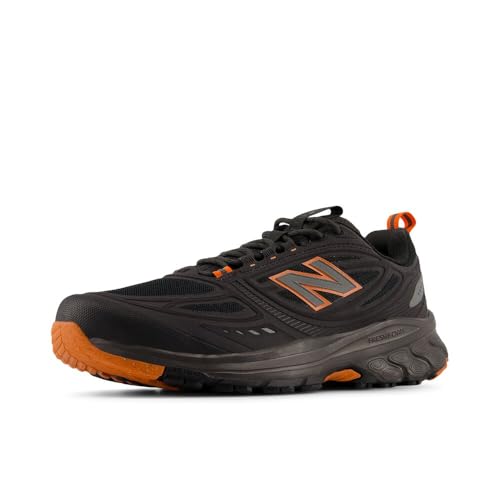
- FRESH FOAM CUSHIONING - Upgraded midsole engineering delivers best-in-class underfoot comfort and lightweight shock absorption on rugged trails and uneven terrain
- AT TREAD OUTSOLE - Versatile all-terrain traction provides confident grip during both on-road and off-road activities, from trail runs to hiking adventures
- DURABLE TRAIL CONSTRUCTION - Reinforced overlays and breathable mesh upper combine lasting durability with airflow to keep feet cool on long trail sessions
- BIO FOAM MIDSOLE - Soft, responsive BIO Foam cushioning works with Fresh Foam technology to reduce fatigue and deliver a smooth, comfortable ride mile after mile
- SECURE LACE-UP FIT - Traditional lace-up closure allows customized tightening for a locked-in, supportive fit on technical terrain and steep descents

- Rugged outsole: Grippy lugs on the outsole are made with carbon rubber for rock-solid footing.
- Versatile cushioning: A moderate stack VERSARUN cushioning packs plenty of underfoot comfort no matter the destination.
- Durable protection: The trail-specific mesh with supportive overlays locks your foot into place and protects from debris without looking or feeling bulky.
- Lighter footprint: This style contains recycled materials.

- DynaSoft midsole couples ultra-responsive performance with plush comfort
- AT Tread outsole provides versatile traction during both on and off-road activities
- Lifestyle-inspired upper design for effortless style
- Regrind upper overlay for added durability
- Corded eye row for a locked-down feeling
How this guide evaluates options
Our comparison framework focuses on factors a shopper can verify before buying: intended use, fit information, materials, construction, care requirements and overall value. We avoid calling a product the universal winner because the right choice depends on body or foot shape, climate, activity, dress code and personal comfort.
When reviewing an individual listing, read beyond the headline. Check the current size chart, material composition, close-up images, recent reviews, return conditions and any required certifications or workplace rules. Product popularity is useful context, but it is not evidence that the item will fit your specific needs.
What to look for in running shoes
Fit and toe-room
A running shoe should hold the heel and midfoot securely while leaving space for the toes to spread. Feet often swell during longer runs, so a shoe that feels merely snug in the store can become restrictive later.
Cushioning and ride
More cushioning is not automatically better. Softer foam may feel comfortable at first, while firmer or more responsive foam can feel steadier and more durable. Match the ride to your mileage, pace and preference.
Support and stability
Support comes from the whole platform, not only a labeled stability feature. Check the width of the base, heel counter, sidewalls and how naturally the shoe guides your stride without forcing it.
Terrain and outsole
Road shoes favor smooth transitions and lower weight. Trail shoes need grip, protection and control on uneven ground. Treadmill users may prefer a flexible, breathable option with less aggressive rubber.
Weight and flexibility
Light shoes can feel quick, but very flexible or stripped-down models may sacrifice structure and longevity. Daily trainers usually benefit from a balanced build rather than the lowest possible weight.
Durability and value
Look at outsole rubber coverage, upper reinforcement and how the foam is likely to hold up. A slightly higher price can be reasonable when the shoe fits well and remains comfortable over regular use.
Important considerations for this search
Trail use adds terrain, debris, water and downhill control to the decision. Match lug depth and protection to the actual trail rather than choosing the most aggressive outsole.
Choosing for different use cases
For occasional use
Prioritize reliable fit and versatility. An occasional user usually does not need the lightest or most specialized running shoes.
For frequent use
Look closely at outsole coverage, upper reinforcement and whether cushioning remains stable over repeated wear.
For travel or long days
Choose a pair already tested indoors for extended time, with practical traction and enough room for mild swelling.
For uncertain sizing
Favor sellers with clear measurements and a workable return process; do not force a marginal fit.
Fit and sizing checklist
- Measure both feet late in the day and use the larger measurement.
- Wear the same type of socks you plan to use for running.
- Check heel security without overtightening the laces.
- Leave practical toe space for swelling and downhill movement.
- Use the brand's current size chart because sizing is not standardized.
Online sizing is easier when you compare measurements instead of labels. Measure with the socks, undergarments or layers you intend to use, and save the measurement for future purchases. When a listing provides only a generic size name and no useful dimensions, the uncertainty should count against it.
Materials, construction and durability
Engineered mesh and knit uppers trade structure for breathability in different ways. Midsole foams vary widely in softness, rebound and long-term compression. Outsole rubber improves grip and wear resistance, but full rubber coverage can add weight.
Construction details matter because small failures often end the useful life of a product before the main material wears out. Look for secure seams, reinforced stress points, reliable closures and a sole or hem appropriate for the intended environment. Reviews are most useful when they describe time in use, sizing context and a specific failure rather than only first impressions.
Care and maintenance
Remove loose dirt after runs, air-dry the shoes away from direct heat and rotate pairs when possible. Avoid machine drying because heat can weaken adhesives and deform foam. Replace a pair when cushioning, traction or upper support has clearly deteriorated, not only when the outsole looks worn.
Care requirements should match your routine. A product that needs frequent specialist cleaning or long drying time may be a poor everyday choice even when it looks attractive. Always follow the current care label and product instructions.
Common shopping mistakes
- Choosing by appearance before confirming fit.
- Buying the softest shoe without checking stability.
- Using a road outsole on technical trails.
- Assuming the same size fits across every brand.
- Keeping a worn pair after comfort or control has declined.
Frequently asked questions
Should running shoes feel tight?
They should feel secure, not tight. The heel and midfoot should stay controlled while the toes have room to move.
Do expensive running shoes last longer?
Not necessarily. Price can reflect materials, technology or branding, but fit and construction matter more than price alone.
Can one pair handle every type of run?
A versatile daily trainer can cover many runs, but specialized trail, speed or winter conditions may justify a second pair.
How many running shoes should I compare?
Three to five options with the right size, terrain and cushioning profile are usually enough for a useful shortlist.
Are Amazon bestseller rankings a final recommendation?
No. They show current popularity and can change. Use them for discovery, then compare fit, specifications, reviews and return options.
Final buying checklist
- Does the product match the main activity, weather or dress code?
- Are the measurements and size options clear enough to choose confidently?
- Do the materials and construction suit the expected frequency of use?
- Are care requirements realistic for your routine?
- Does the outsole, closure, waistband or other control point suit the use case?
- Have you checked current reviews, return terms, seller information and availability?
- For protective or workplace products, have you verified the exact current requirement?
Conclusion
The best trail running shoes is not simply the first bestseller or the item with the longest feature list. Start with fit and intended use, eliminate options that do not meet those requirements, and then compare materials, construction, care and price. The automated Amazon list above can make discovery faster, while the checklist in this guide helps turn that list into a smaller and more relevant shortlist.