
We compared leading Stability Running Shoes using a structured product-data model and ranked the strongest matches from our current candidate pool.
Updated 8 月 14, 2026. Product order may change as catalog data changes.
Our Top 3
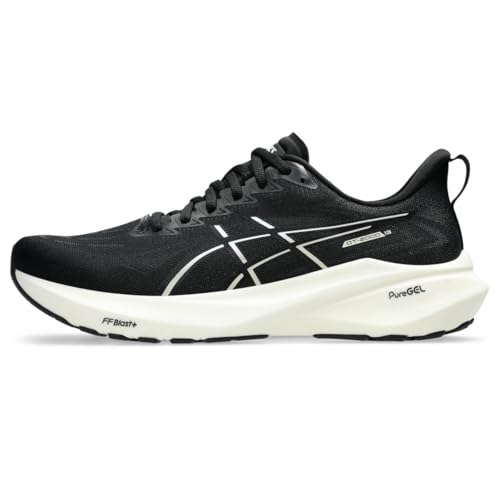
ASICS Men's GT-2000 13 Running Shoes
Recommended Pick
Brand: ASICS
- Jacquard mesh upper: Offers a supportive and comfortable foothold
- At least 50% of the shoe's main upper material is made with recycled content to reduce waste and carbon emissions
- The sockliner is produced with the solution dyeing process that reduces water usage by approximately 33% and carbon emissions by approximately 4…

New Balance Women's Fresh Foam X 860 V14 Running
Recommended Pick
Brand: New
- Fresh Foam X midsole delivers our most cushioned Fresh Foam experience for incredible comfort
- Durable rubber outsole
- Lightweight synthetic material

Brooks Men’s Beast GTS 24 Supportive Running & Walking
Recommended Pick
Brand: Brooks
- THIS MEN’S SHOE IS FOR: Maximum support and comfort make the Beast GTS 24 a runner and walker favorite. Nitrogen-infused DNA Loft v3 provides so…
- Soft, nitrogen-infused DNA LOFT v3 cushioning adapts to your unique stride and delivers durable comfort.
- Linear last construction of the midsole and outsole offers support and stability.
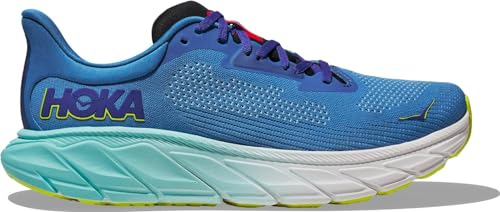
Hoka Men's Arahi 7
Recommended Pick
Brand: Hoka
- Ideal for: Road running
- 3D printed overlay, Midfoot support, TPU reinforcement
- CMEVA midsole, J-Frame midsole support
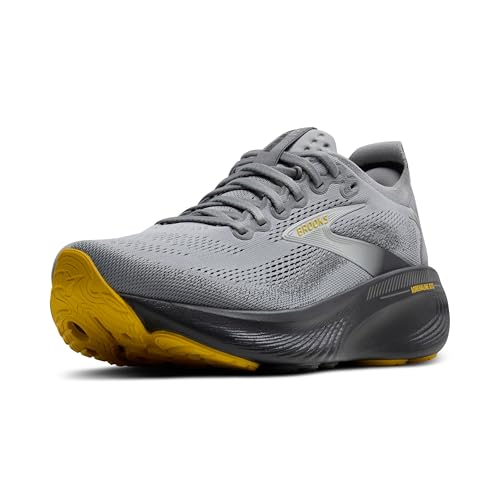
Brooks Mens Adrenaline GTS 25
Recommended Pick
Brand: Brooks
- THIS MEN’S SHOE IS FOR: The Adrenaline GTS 25 is perfect for runners and walkers seeking reliable support and a smooth ride. Featuring holistic…
- Our innovative technology – known as “GTS” for “Go-To Support” – supports your body in its natural motion path while keeping excess movement in…
- Even more premium nitrogen-infused DNA Loft v3 cushioning delivers lightweight softness, and feel-good comfort mile after mile.
The best stability running shoes for a particular shopper is the option that matches the real measurements, intended use, comfort needs, and care expectations—not simply the product with the longest feature list.
Modern stability running shoes may use sidewalls, broad platforms, geometry, firmer foam, or structured heel components instead of a single traditional medial post. These features do not diagnose or correct every gait issue, so comfort, fit, training load, and professional advice when needed remain more important than a stability label.
How to Choose Stability Running Shoes
Start with running-shoe fit
Check length, toe room, midfoot hold, heel security, and width while wearing running socks. A support feature cannot compensate for a shoe that is the wrong shape or size.
Identify the guidance method
Review whether the model uses a wide base, sidewalls, internal geometry, heel structure, or firmer foam. Choose by feel and documented design rather than assuming more firmness is better.
Match cushioning to training
Softness, stack height, flexibility, and rocker geometry affect transitions and ground feel. Consider daily mileage, pace, surface, and rotation with other shoes.
Check width and upper volume
Standard, wide, and extra-wide labels vary by brand and model. Toe-box width is separate from midfoot volume, instep height, and heel shape.
Change shoes gradually
A new platform or guidance system can alter loading. Introduce the shoe with shorter runs and stop if pain persists rather than forcing adaptation.
Frequently Asked Questions
Who should consider stability running shoes?
Runners who feel more comfortable in a guided platform may consider them, but a category label is not a diagnosis or treatment recommendation.
Are stability shoes only for flat feet?
No. Foot shape and running motion are not interchangeable, and people with similar arches may prefer different shoes.
Do stability running shoes prevent injuries?
No shoe can guarantee injury prevention. Fit, training progression, recovery, strength, surface, and individual history all matter.
Can neutral runners wear stability shoes?
Some may find modern guidance comfortable, but the shoe should be evaluated through fit and gradual running rather than a neutral-versus-stability rule.
When should running shoes be replaced?
Replace them when fit, outsole, cushioning, or upper condition no longer supports safe comfortable use; mileage alone is not the only signal.
Related Buying Guides
Popular Right Now
Final Thoughts
A useful purchase starts with fit, construction, and the exact conditions in which the product will be used. Reopen the selected variation before checkout, confirm the current measurements and included pieces, and use the return period to check real-world suitability without relying on a category label alone.